
Designing clarity within complex systems
UX researcher and service designer creating human-centered solutions. Bridging analytical insights with strategic thinking and creative storytelling across complex systems and global contexts.
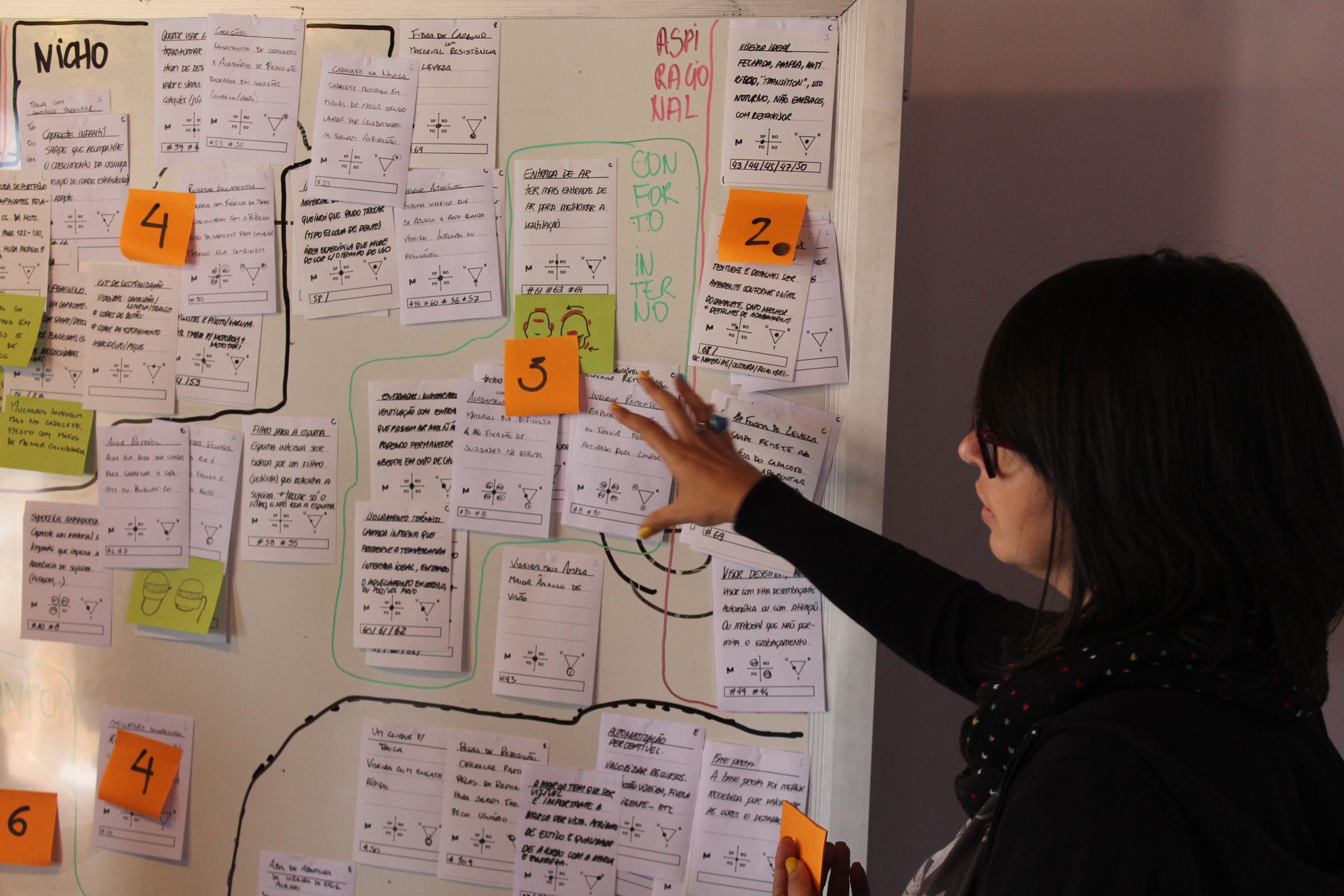
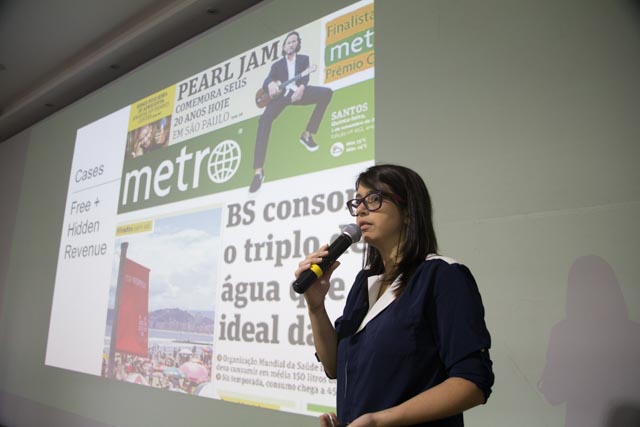
Competences that turn complexity into clarity
With over 15 years of experience, I combine data analytics, AI, behavioral insight, and design research to turn complexity into clear, human-centred solutions.
UX Research & Experience Strategy
Connecting people and systems with empathy. I explore behaviors, contexts, and motivations to design experiences that align user needs with organizational goals - making complex systems intuitive and meaningful.
Data Analytics & Insights
Transforming complexity into clarity through data and analytics. I uncover patterns in data and research to reveal actionable insights that guide strategy, innovation, and human-centred design decisions.
Product Ownership & Strategy
Turning collaboration into clarity and effective delivery. I plan, organize, and guide design projects from discovery to delivery - aligning teams, facilitating workshops, and creating a supportive environment where people and ideas thrive.
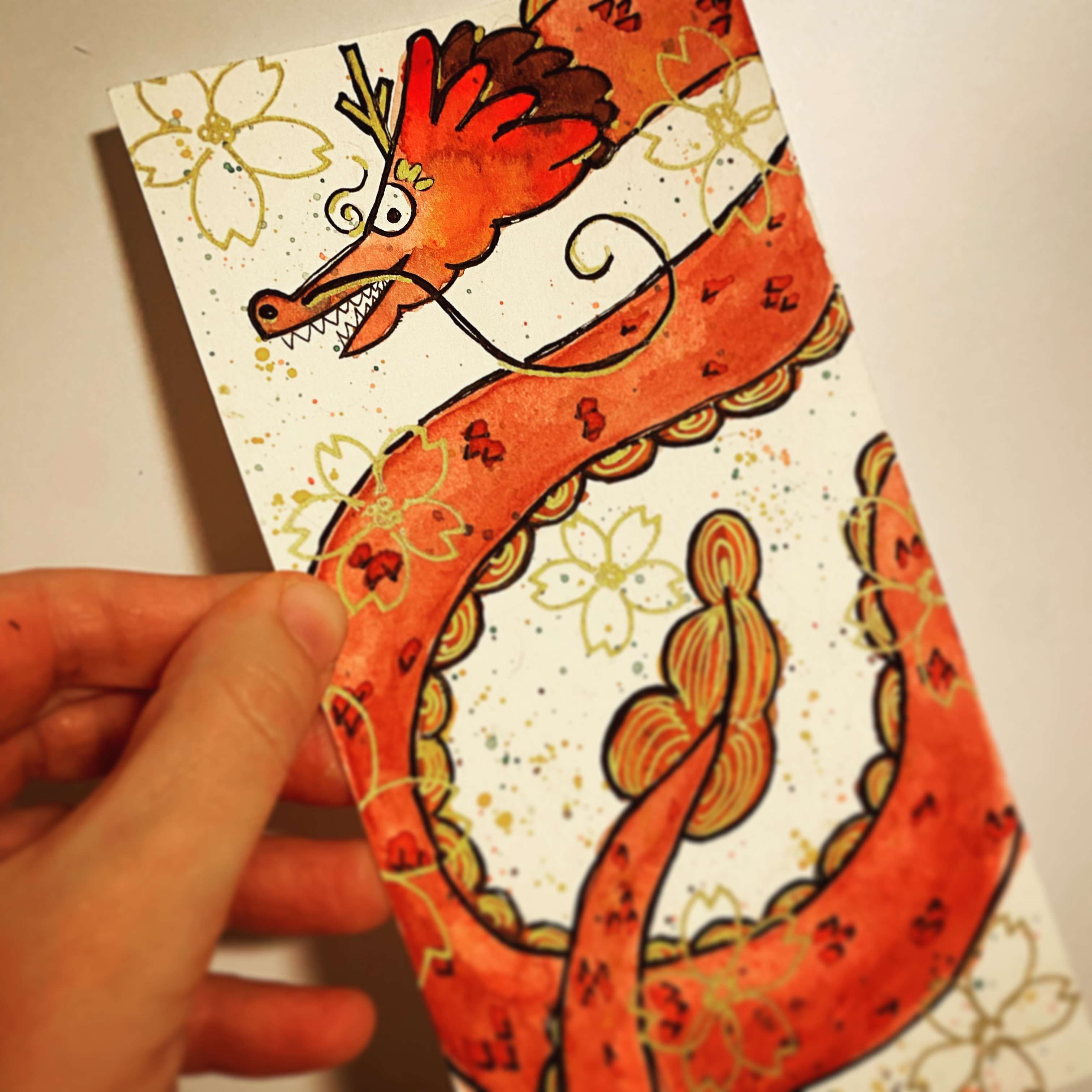
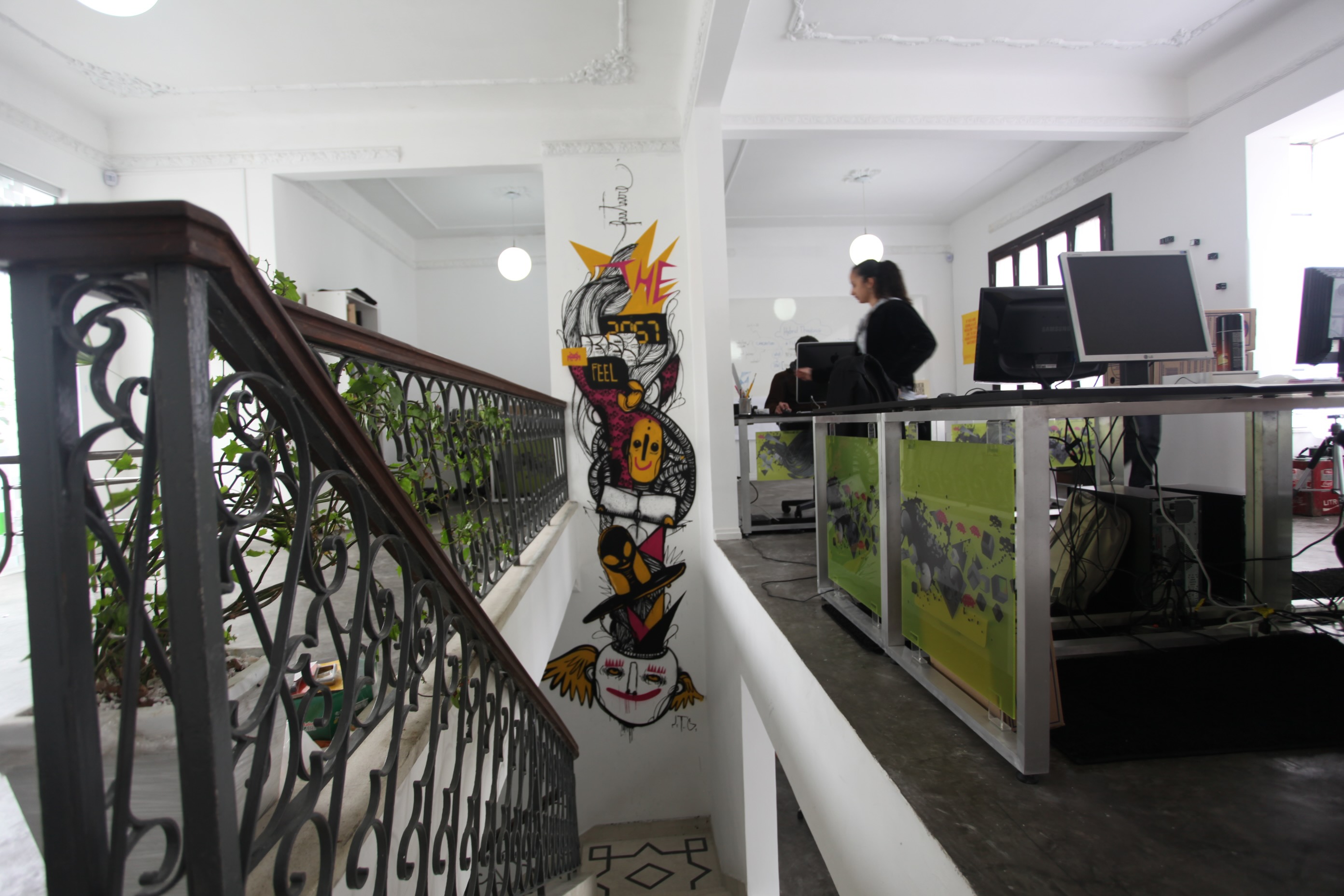
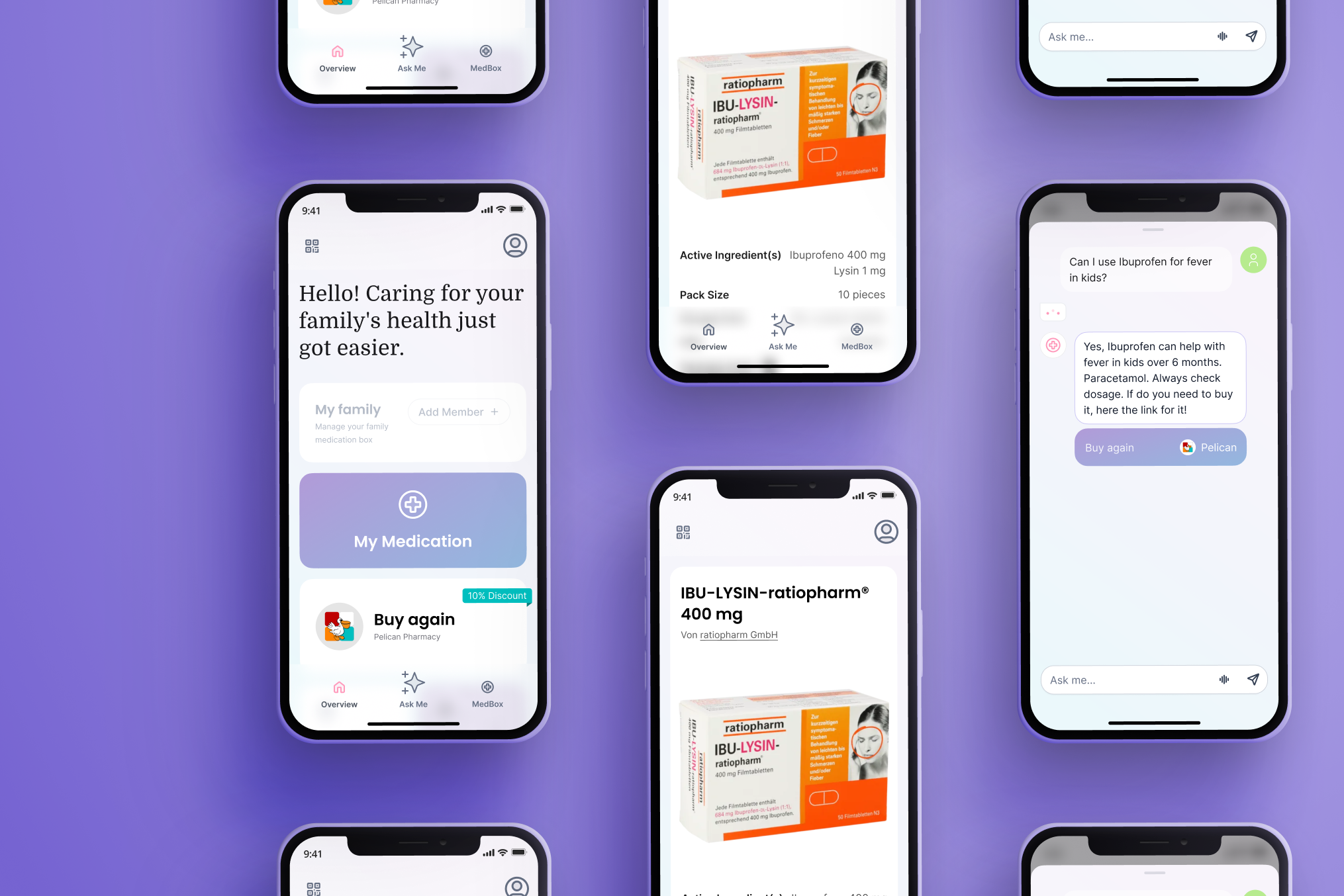
Experience Made Tangible






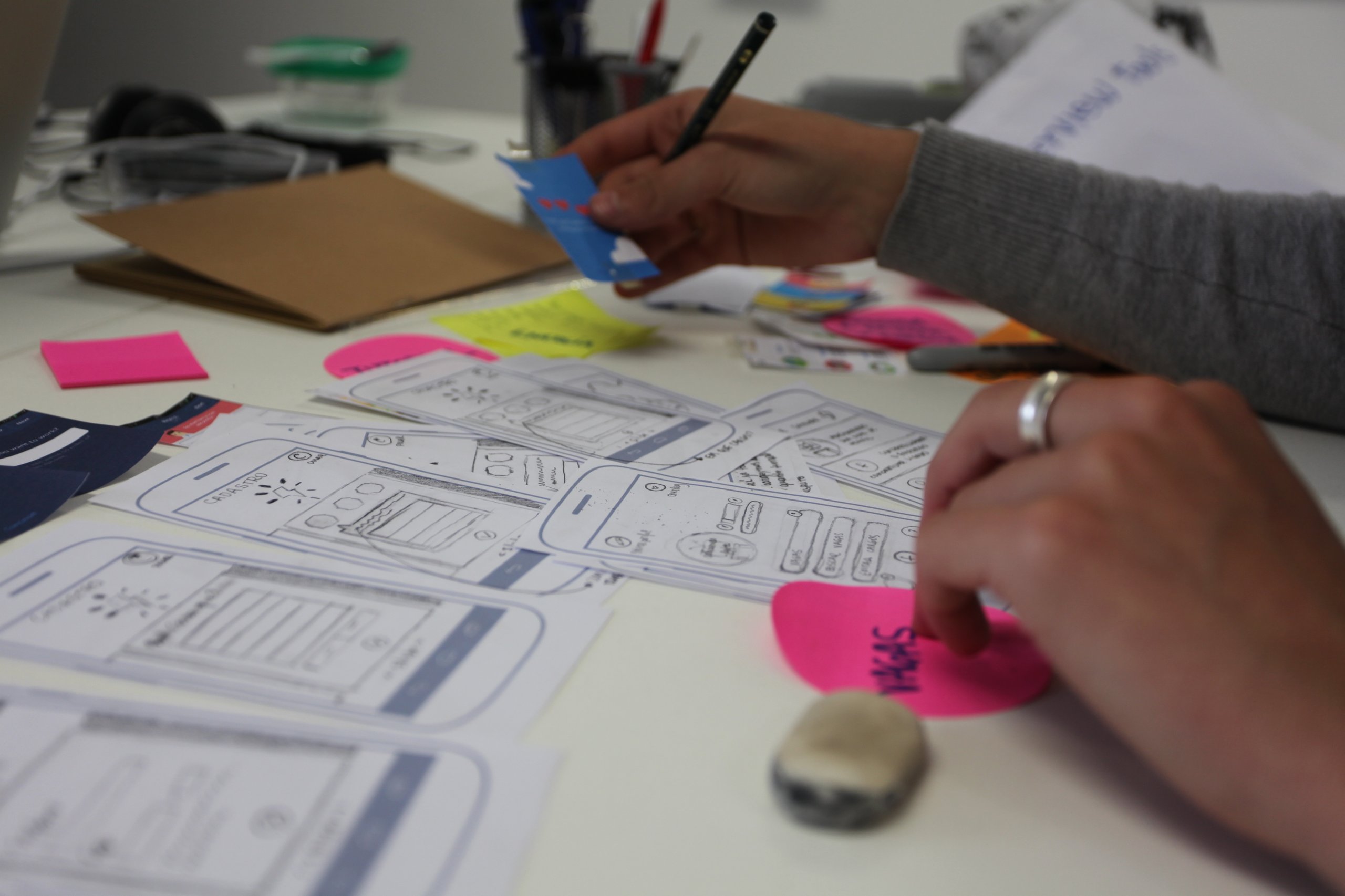

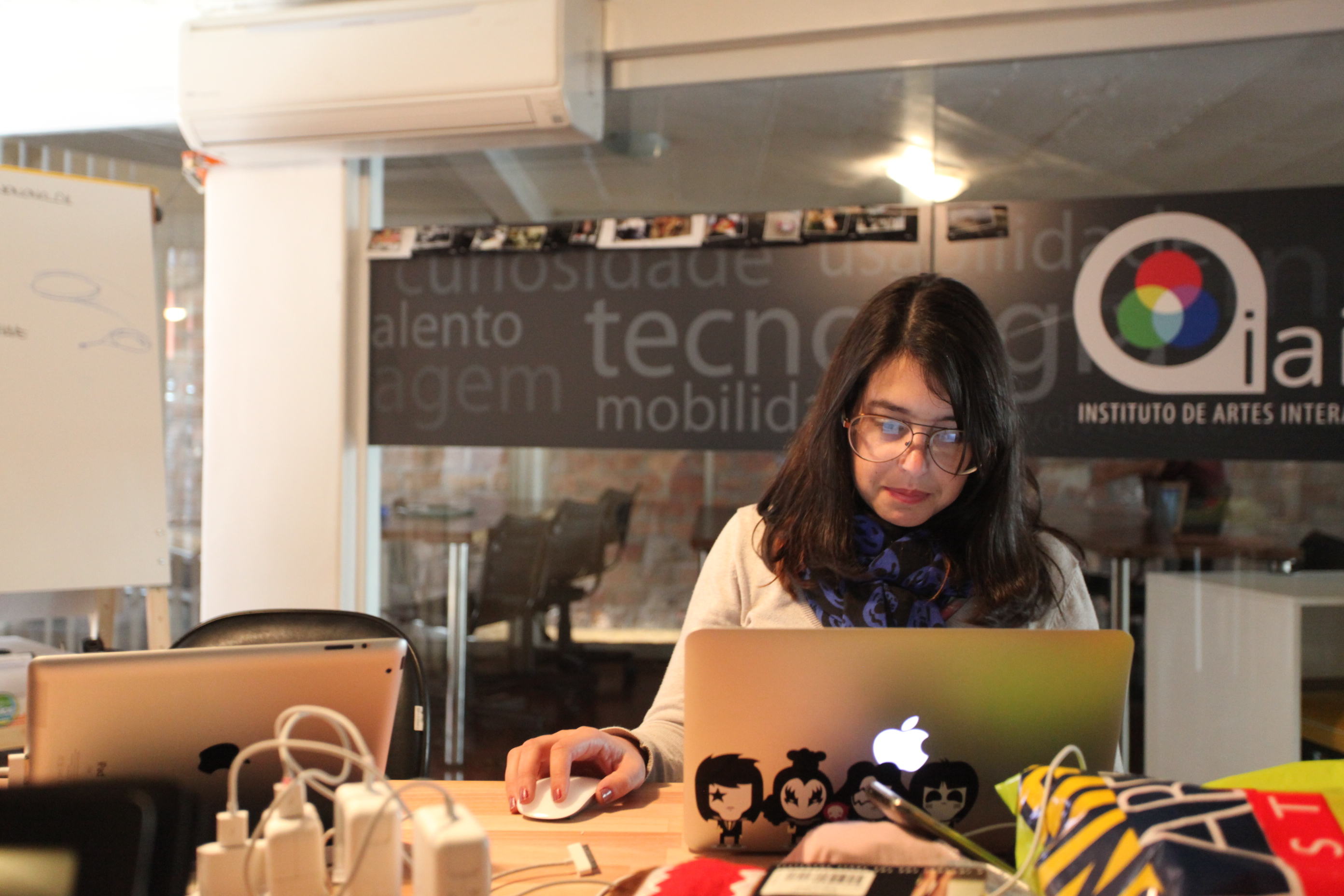
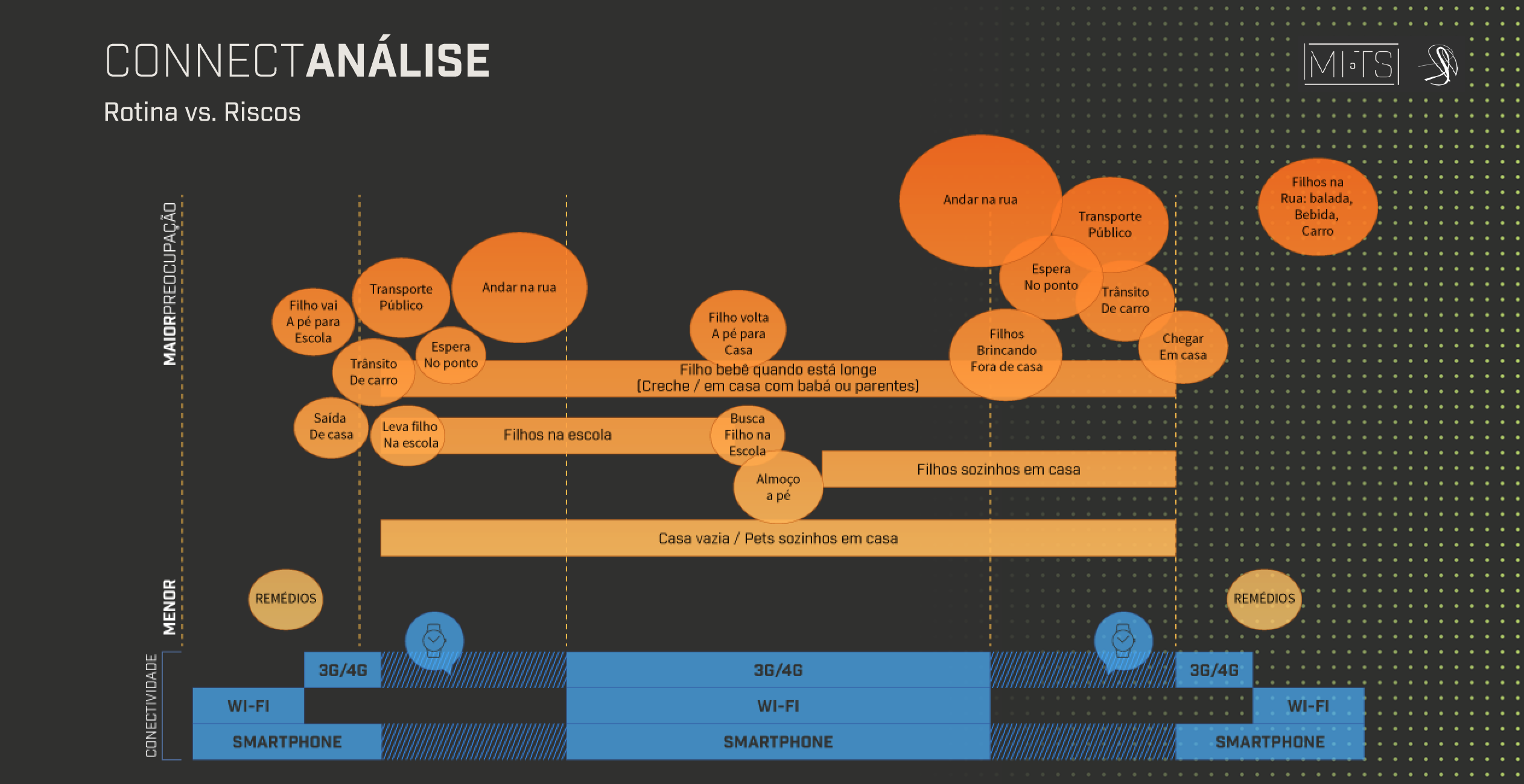

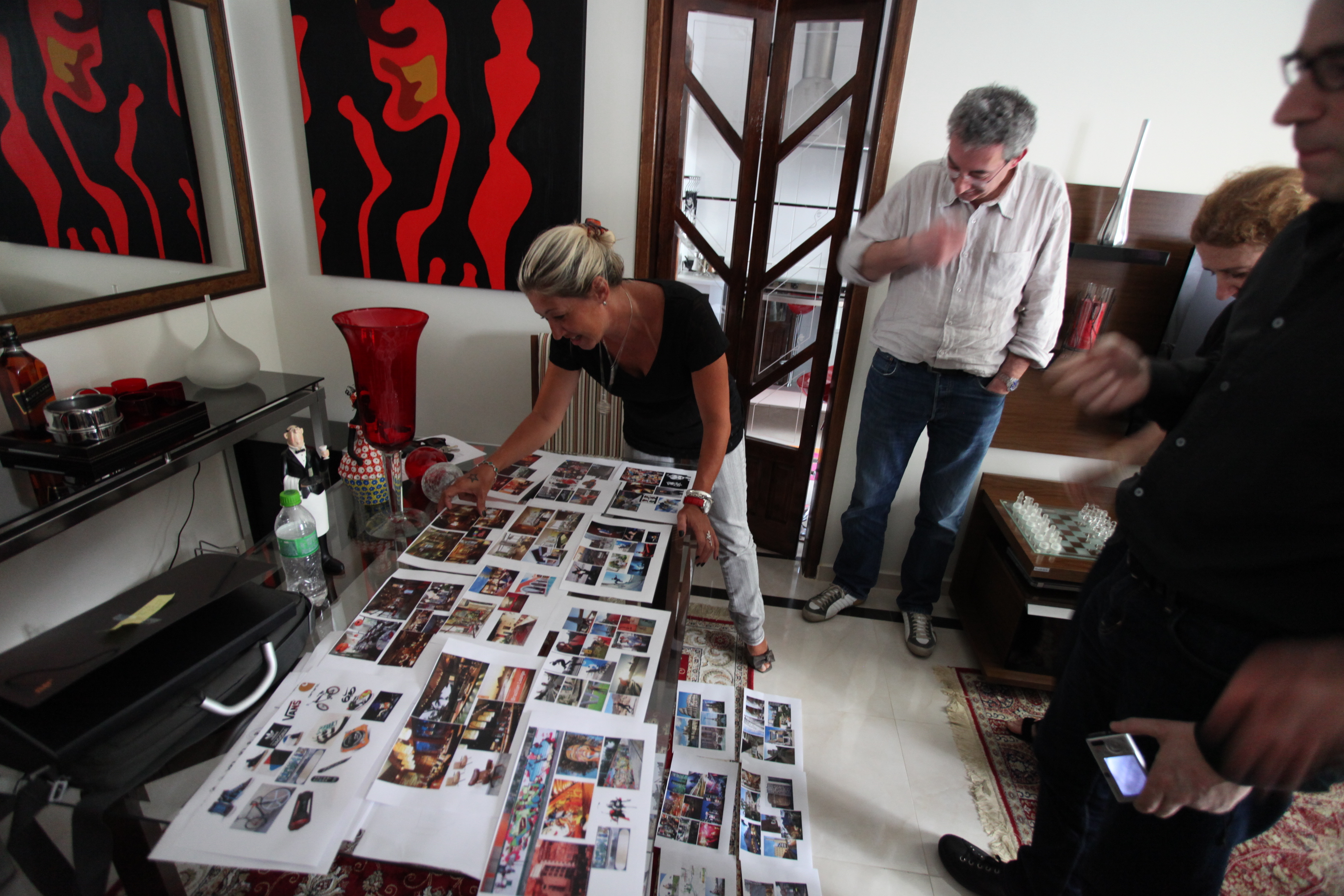
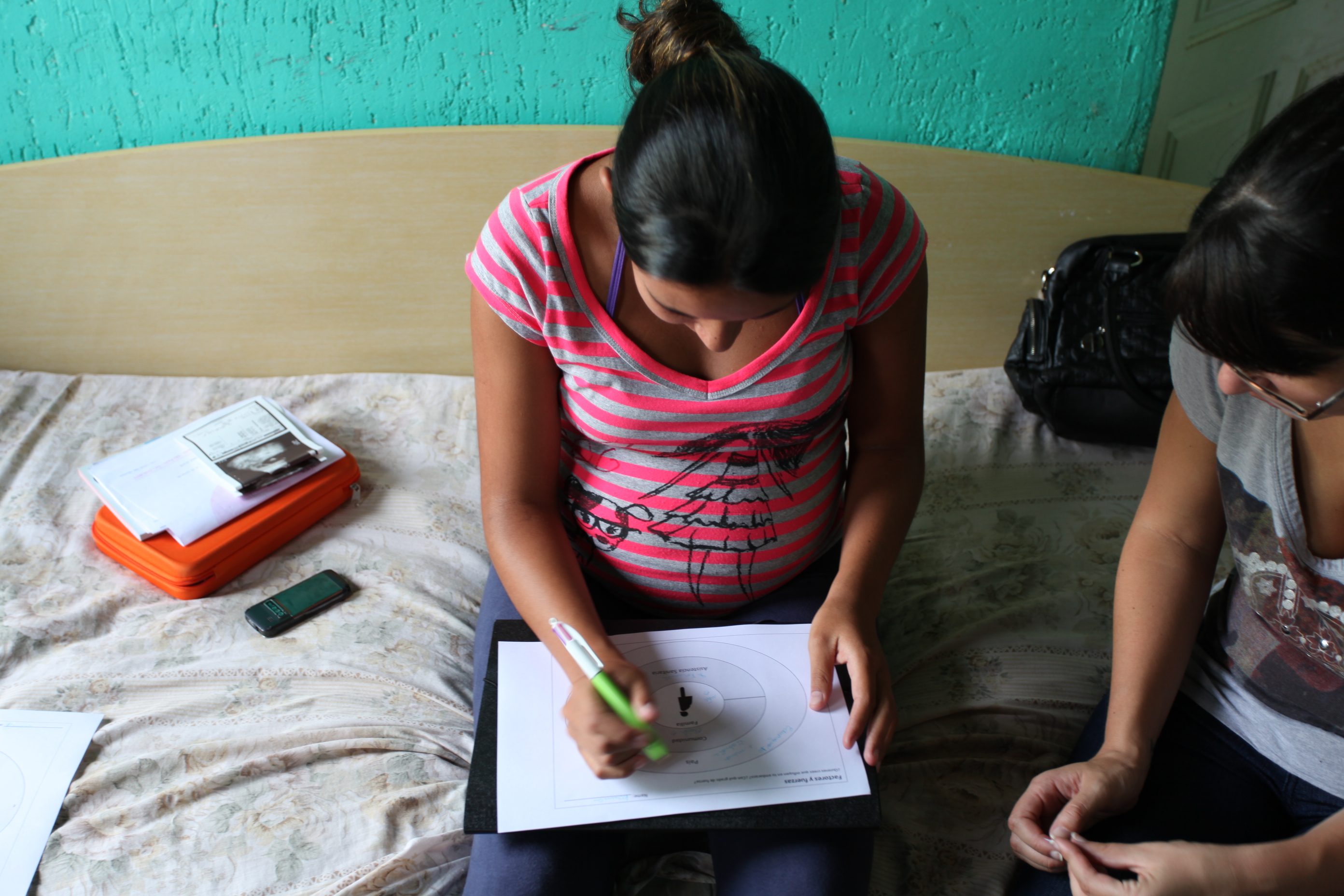
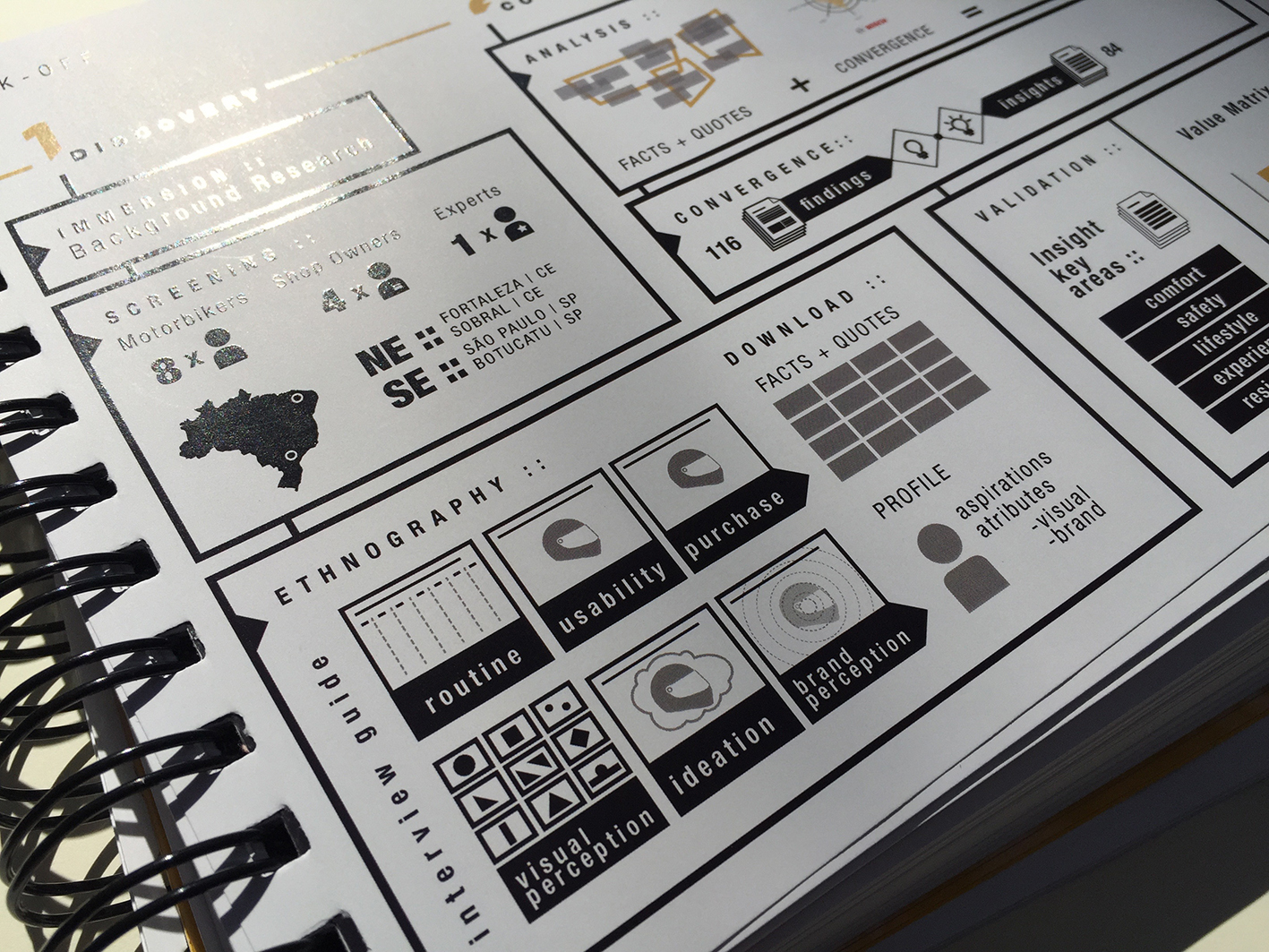

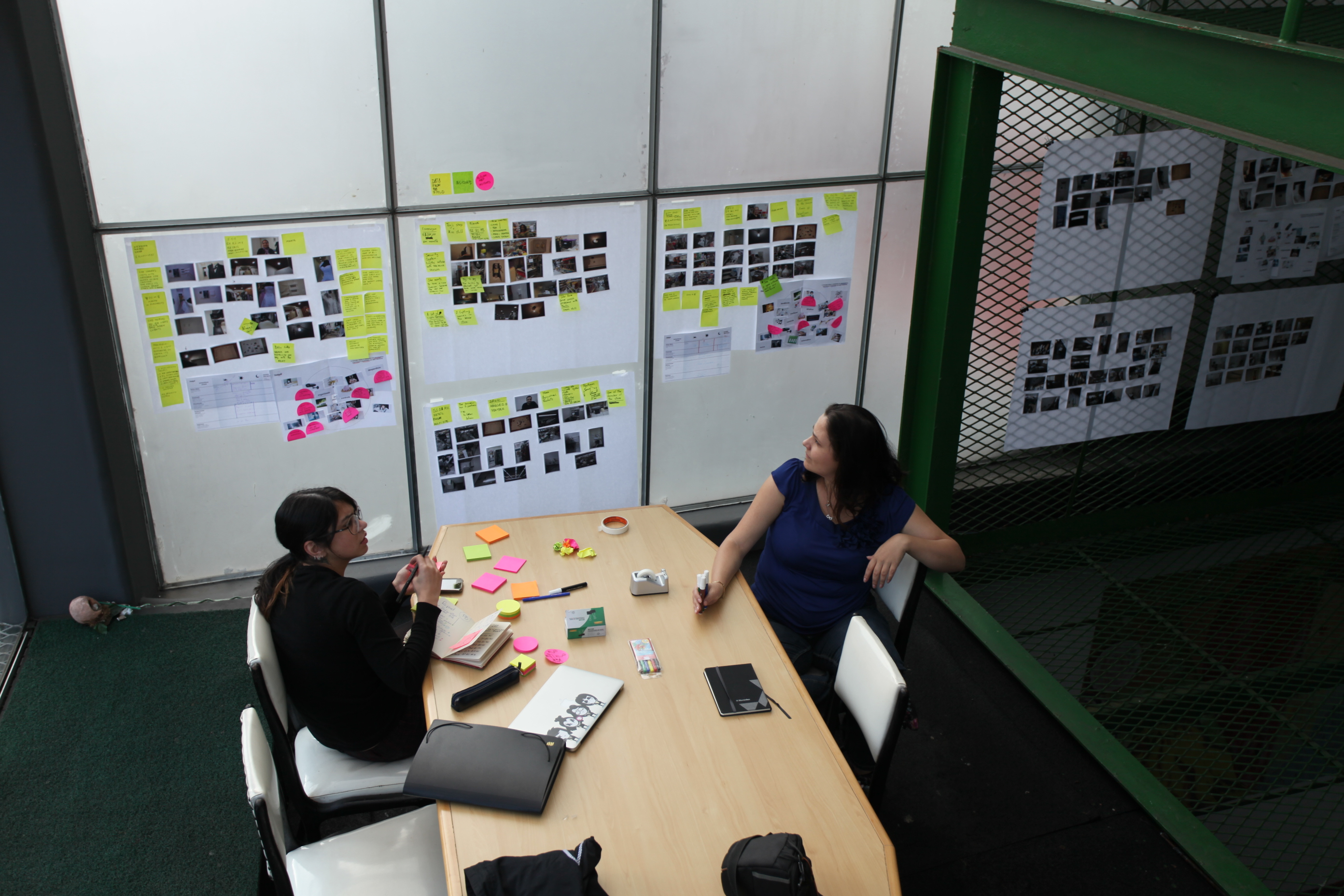



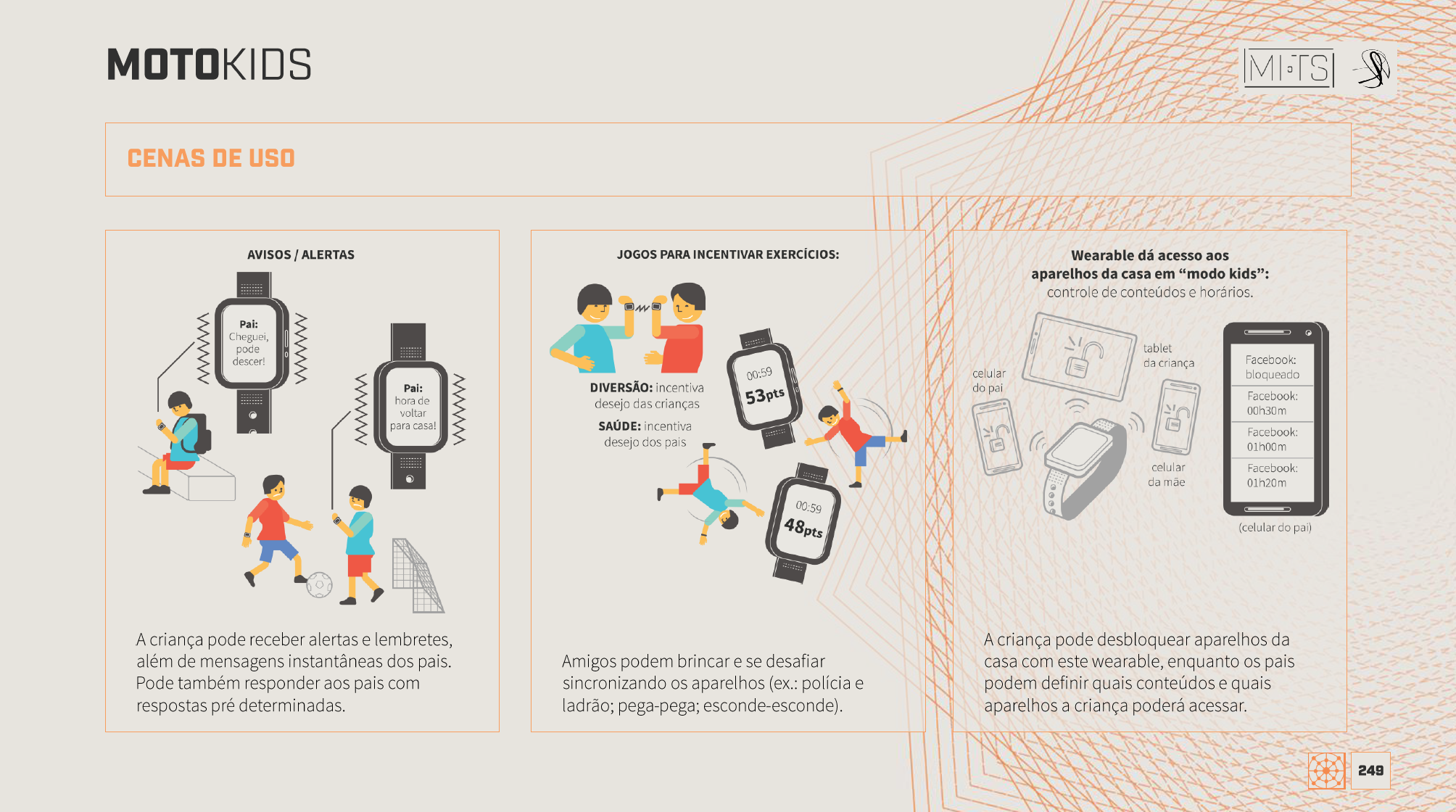
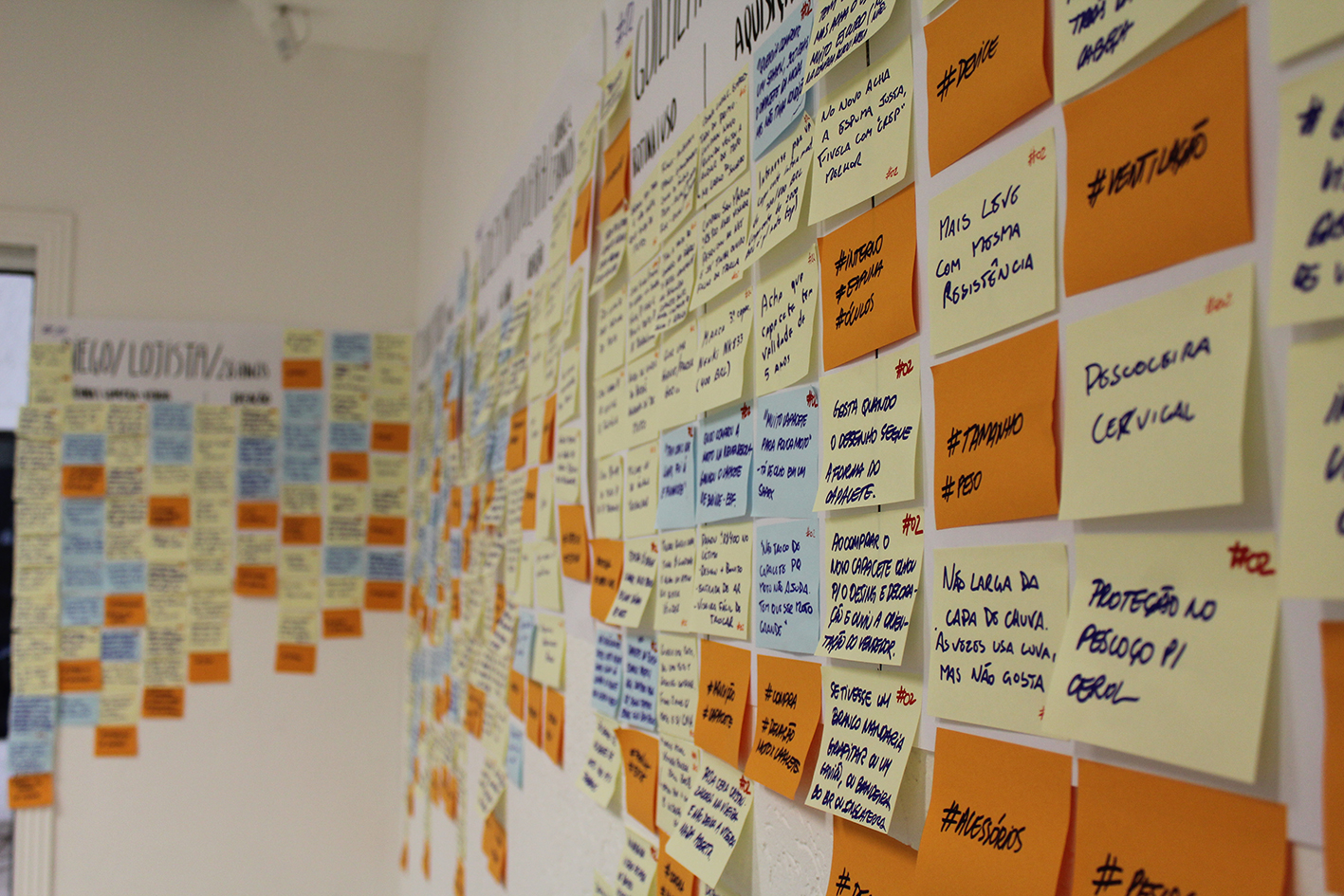

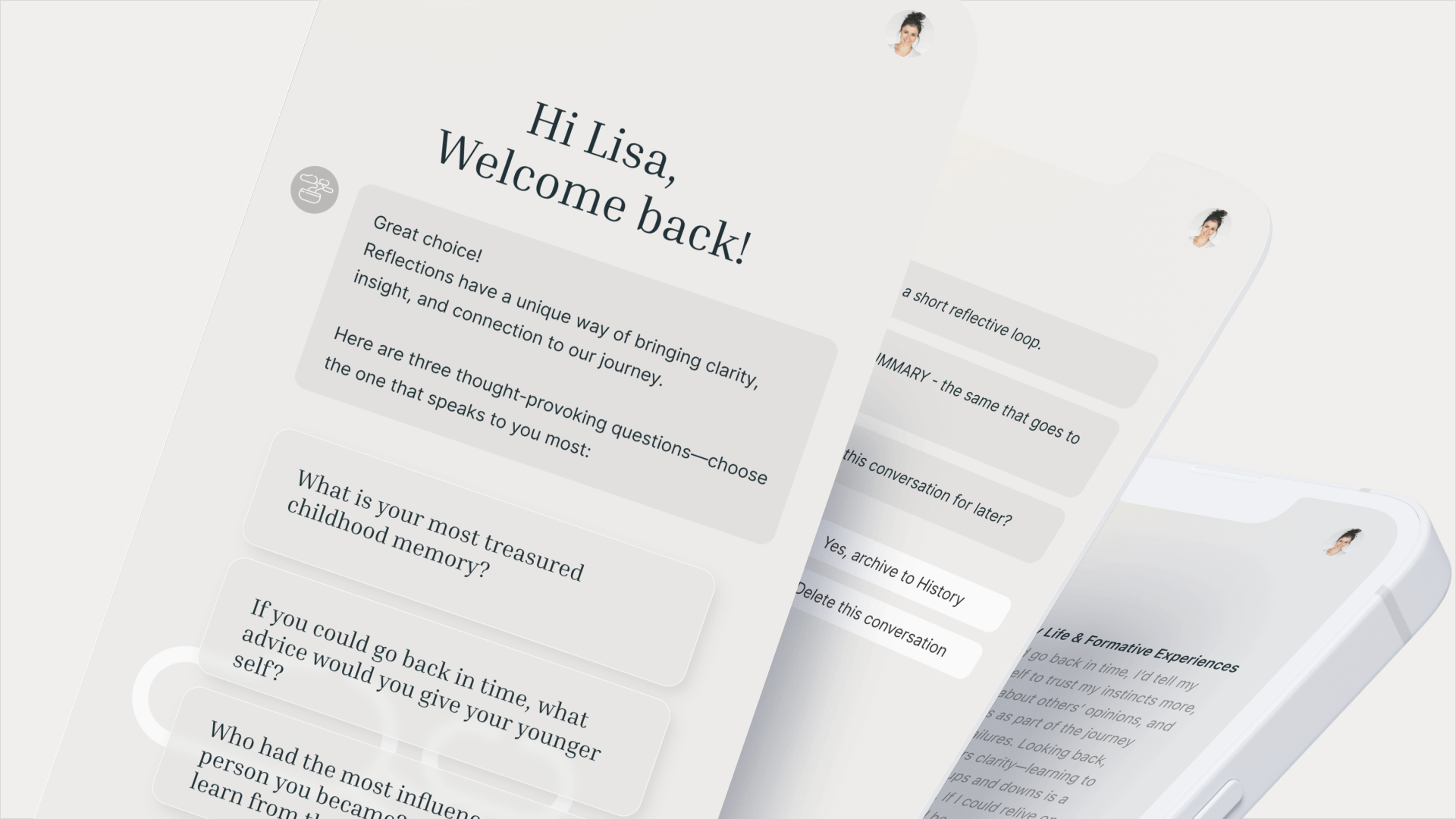
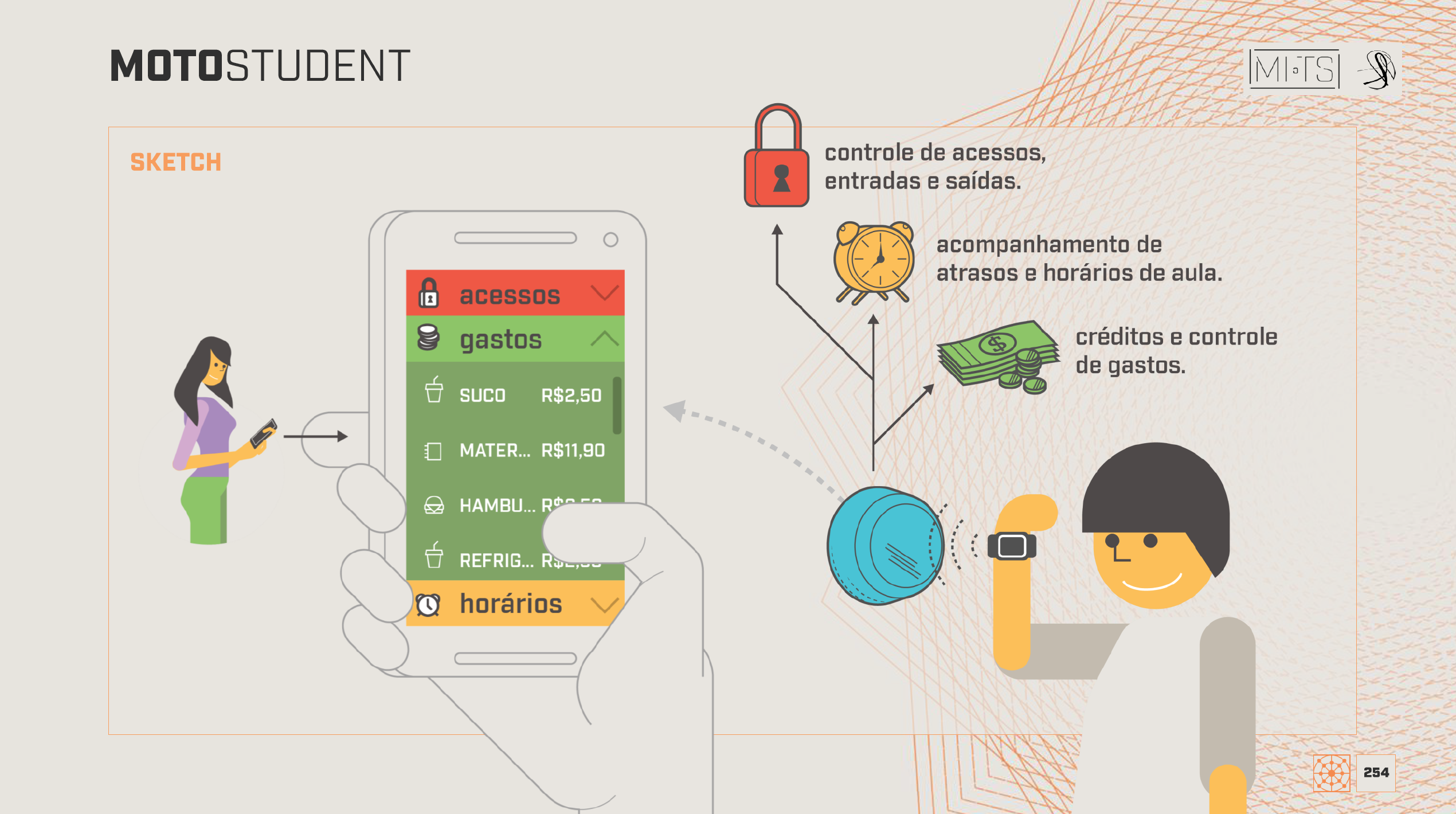
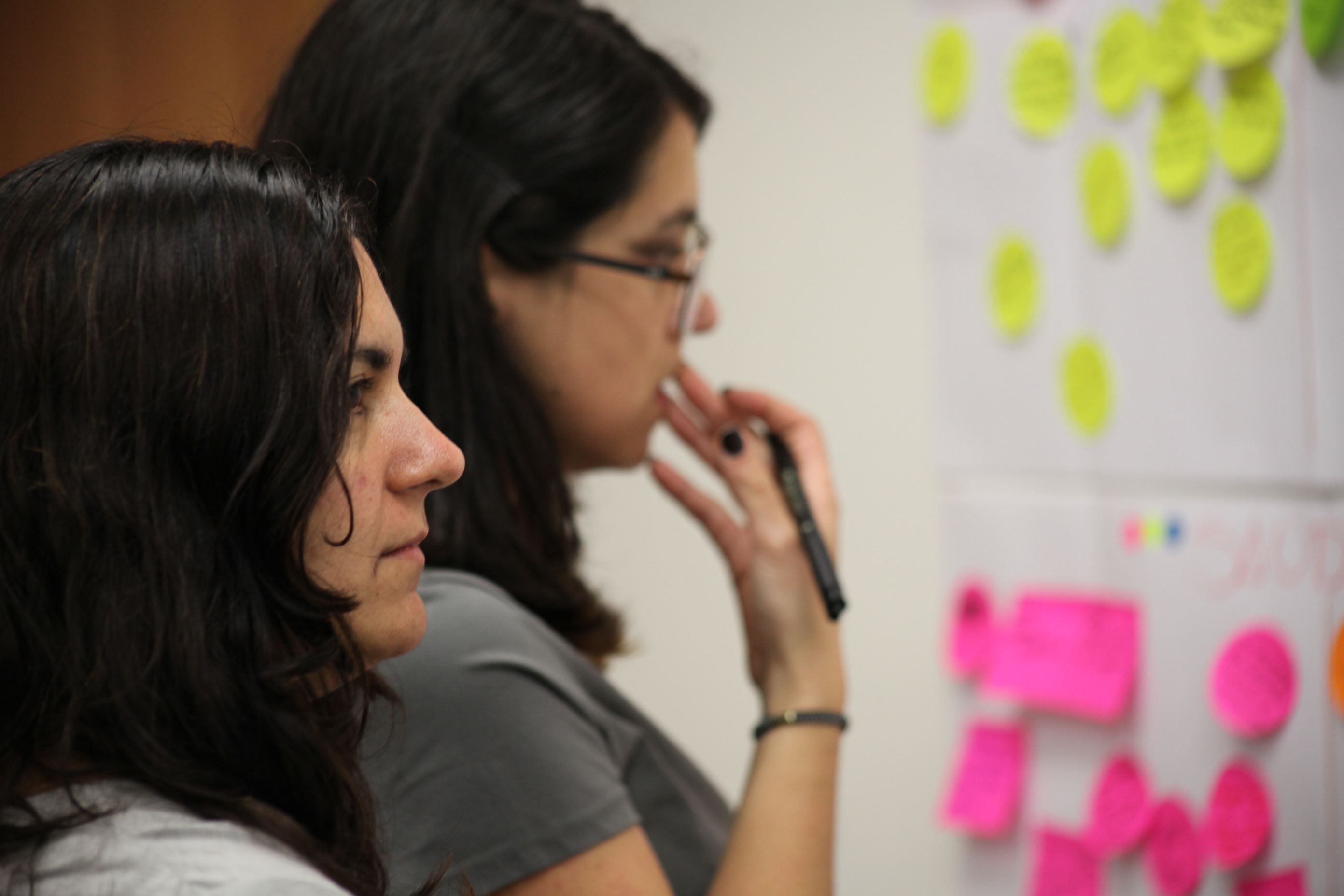


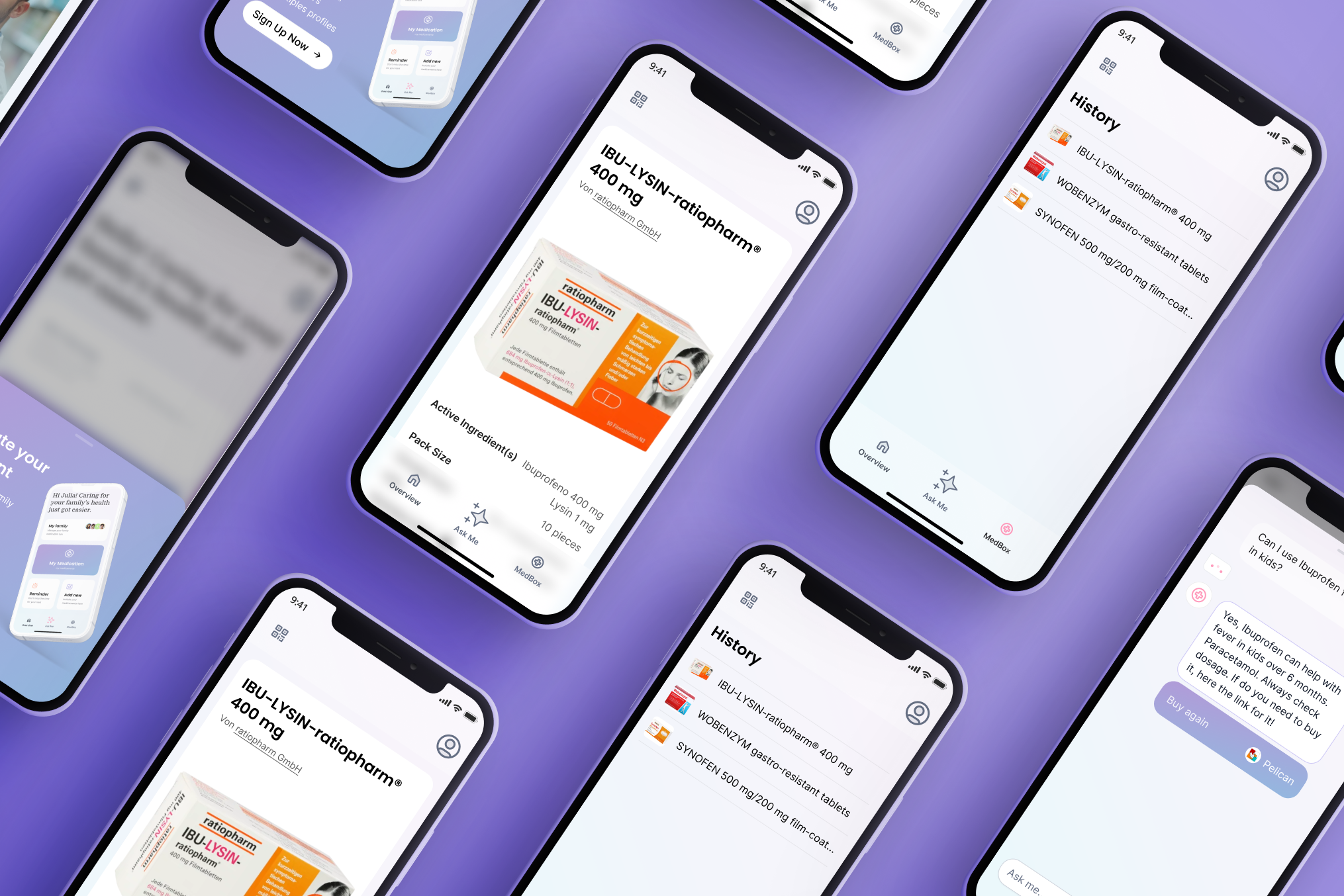
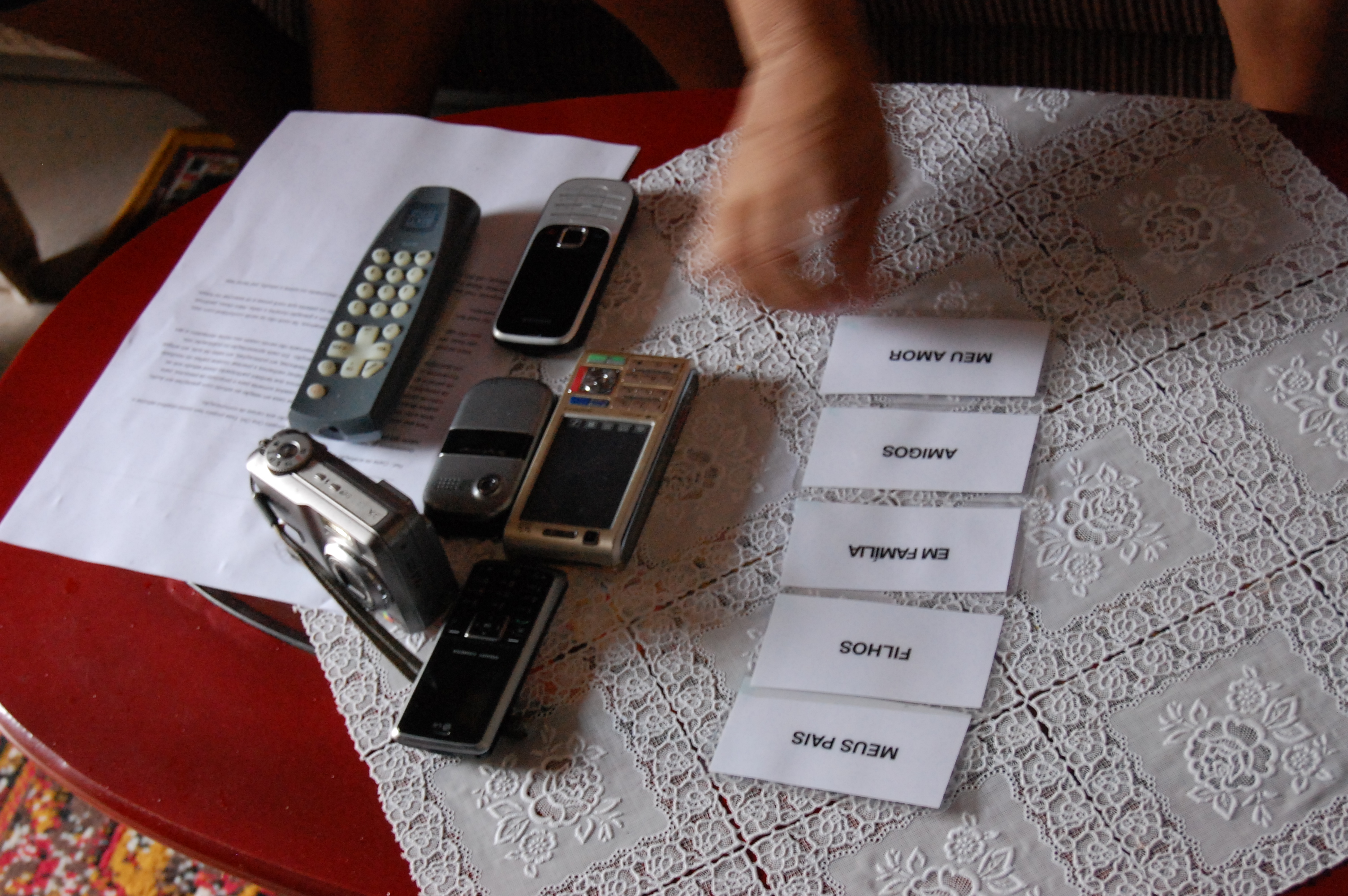
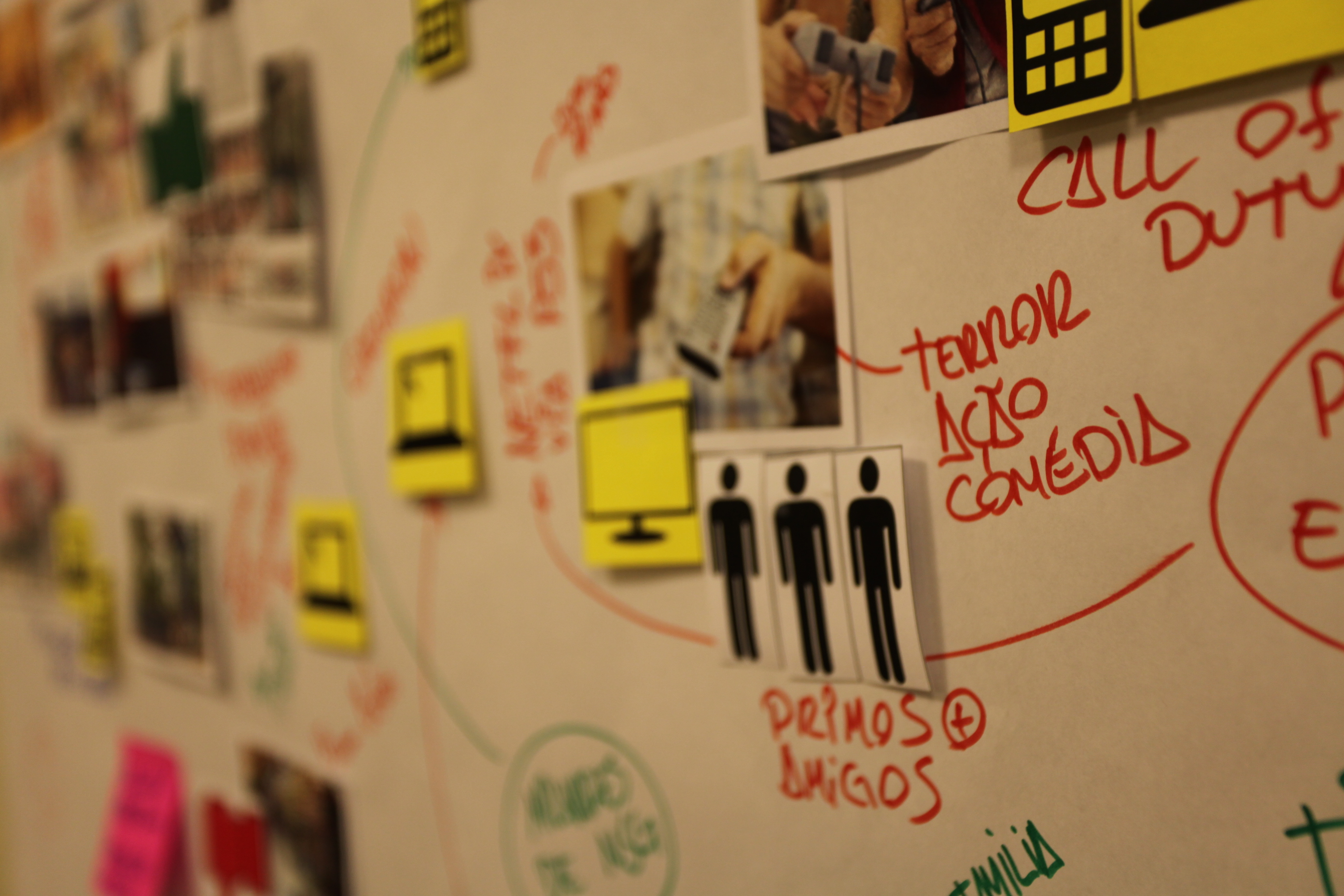
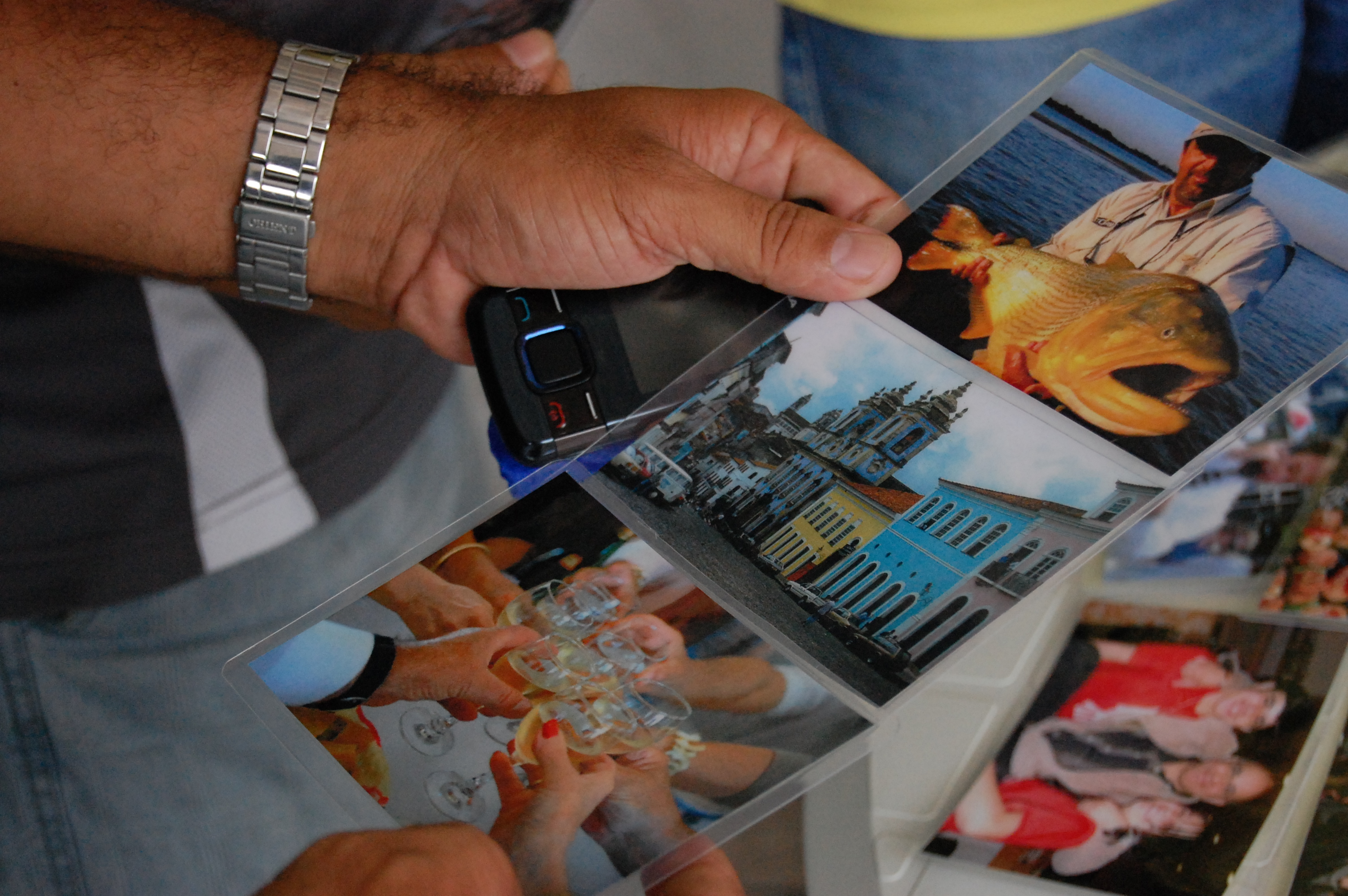



Trusted by innovators





Latest insights and reflections
Dive into narratives that bridge research, design, and human experience



Designing in times of abundance - the age of AI

Designing in Times of Abundance
There is a recurring question that designers tend to revisit over time: what is the value of design?
I first asked myself this question many years ago, in a very different technological context from the one we experience today. Since then, tools, workflows, and production capabilities have changed dramatically. Yet despite these transformations, I find that the core answer remains surprisingly similar.
We are currently designing in conditions of radical abundance. Interfaces can be generated from prompts, prototypes assembled within hours, and increasingly complex systems produced with minimal technical barriers. What was once difficult and resource-intensive has become progressively accessible.
This shift raises an important reflection for design practice: when creation itself becomes abundant, where does value move?
This question strongly resonates with ideas explored by Kevin Kelly in his essay Better Than Free and later in The Inevitable. Kelly argued that when access and replication become abundant, value shifts toward what cannot easily be copied: interpretation, trust, personalization, immediacy, and experience. Although his article is from 2008 and he was writing about digital media and information, I believe the same logic applies to design nowadays.
Throughout the evolution of design, the perception of value has continuously shifted alongside technology and culture. For a long time, the discussion revolved around form and function. Later, attention expanded toward interaction design, services, and systemic thinking. These transitions changed the scale and complexity of what designers engage with, but they did not fundamentally change what I believe gives design meaning.
For me, the central value of design has always been the human-centered solution. What remains significant is the ability to create relationships, emotional resonance, and memorable moments that shape how people experience products, services, and environments over time.
This perspective becomes increasingly relevant in the context of AI.
As generative technologies accelerate execution, design work gradually shifts away from production alone and toward interpretation, judgment, and direction. Functional artefacts can now be generated rapidly. Meaning, trust, contextual sensitivity, and ethical intentionality cannot.
In my own practice, AI has become part of the workflow primarily as a support for synthesis, transcription, translation, and research organization. These tools reduce busywork and create more space for reflection and strategic thinking. More interestingly, they also open possibilities for exploratory and hypothesis-driven work during early-stage research and concept development.
In one project, for example, the absence of budget and existing user data made conventional research methods difficult to execute. Rather than treating this as a limitation that prevented progress, we experimented with the generation of synthetic personas constructed from available signals, analogous contexts, and existing literature. These personas were not treated as evidence or truth, but as hypotheses intended to support discussion and move forward.
What proved valuable was not the artefacts themselves, but the conversations and strategic direction they enabled. The personas provided enough structure for stakeholders to begin making decisions, testing assumptions, and developing early partnerships. As the project evolved and real-world evidence became available, many of the initial assumptions were later validated through practice.
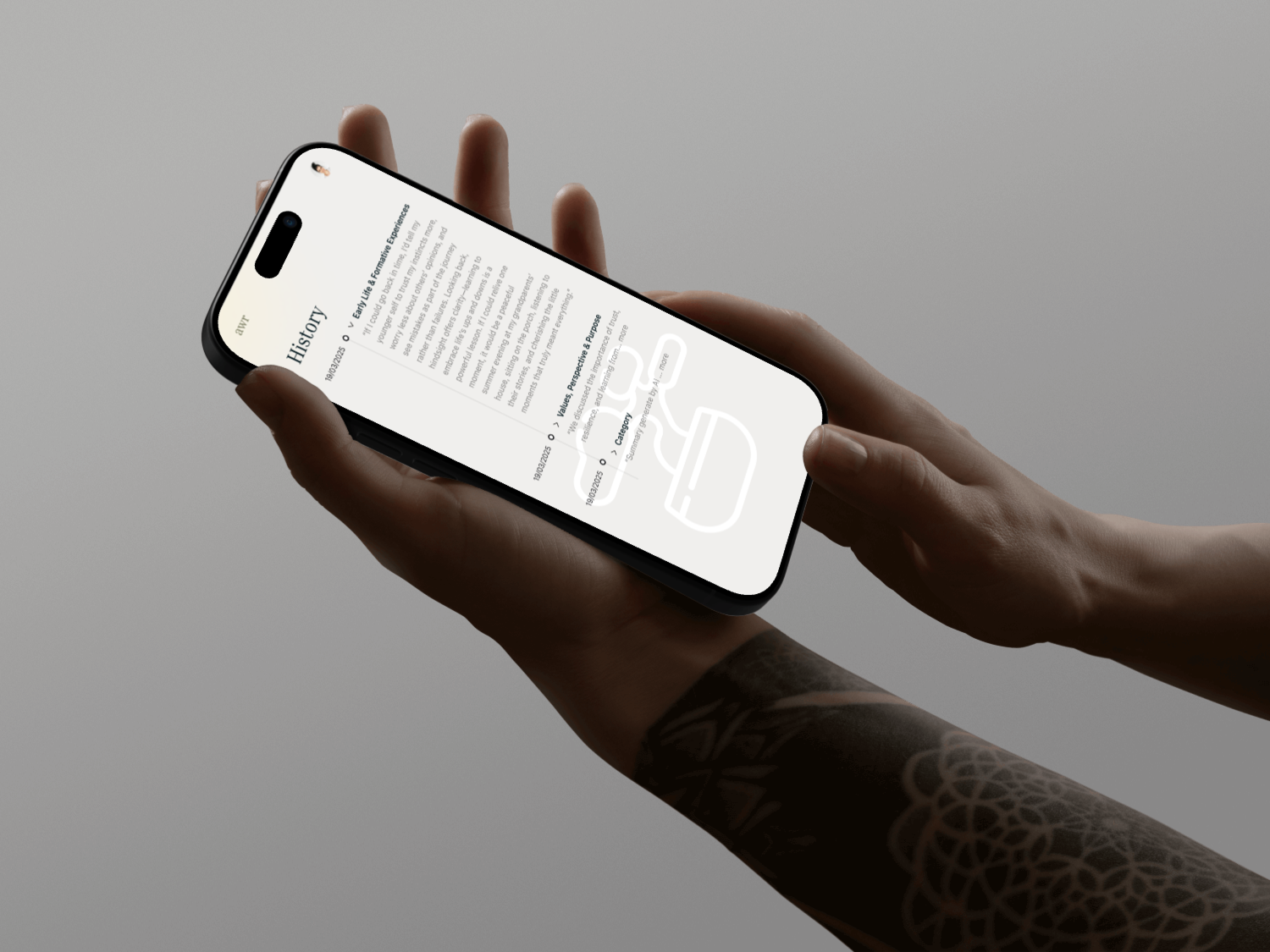
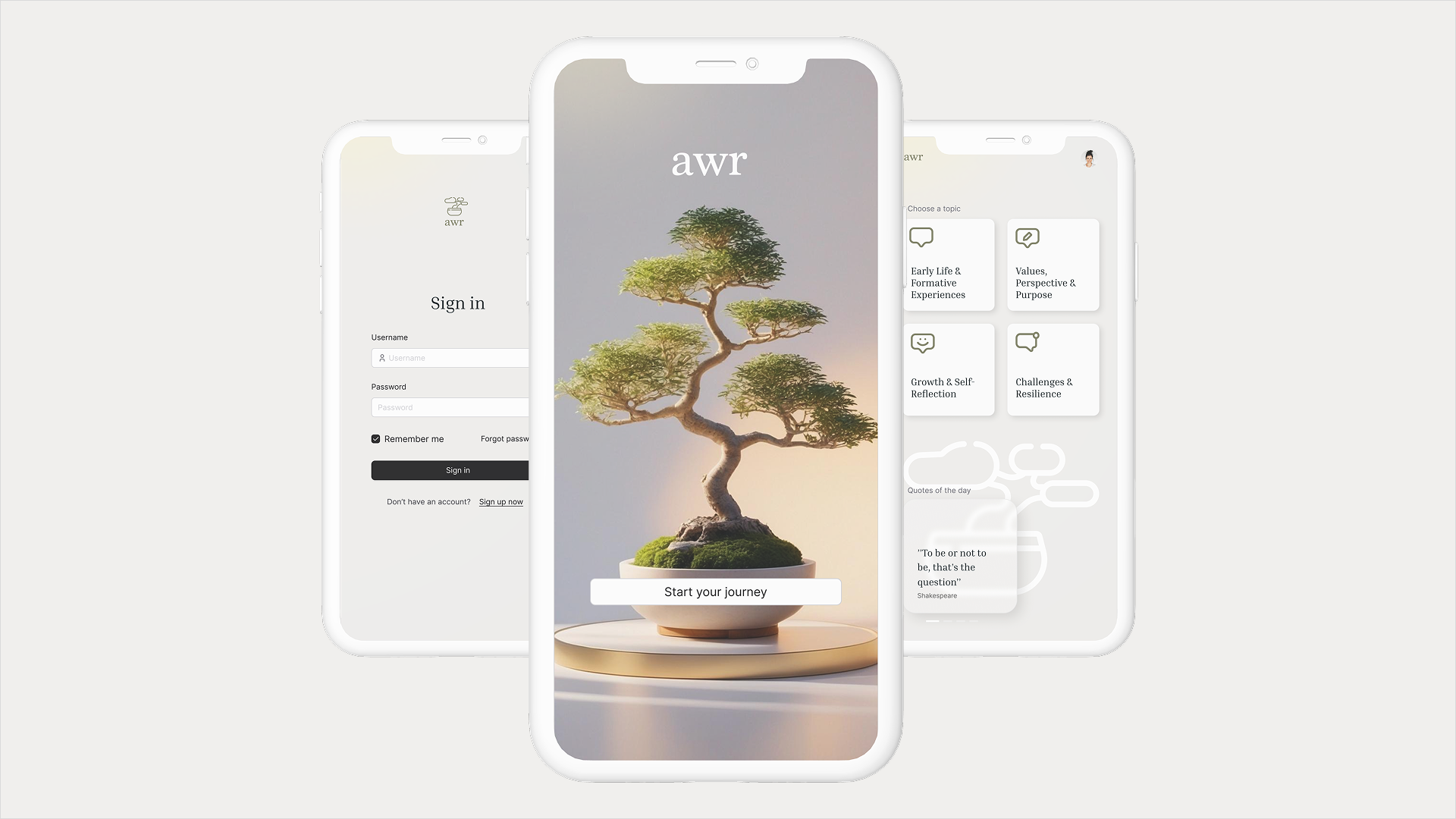
Projects such as Aurali make this especially visible. In these contexts, technology alone is not the differentiator. The real challenge lies in designing experiences that support reflection, guide decision-making responsibly, and establish ethical relationships between people and intelligent systems.
In my experience, design is not defined by the ability to produce outputs, this is more or less given with the available tools. Its value lies in shaping experiences that carry meaning, responsibility, and long-term relevance in a world where creation itself has become increasingly abundant.
References
Kelly, K. (2008). Better Than Free. The Technium.
https://kk.org/thetechnium/better-than-free/
Kelly, K. (2016). The Inevitable: Understanding the 12 Technological Forces That Will Shape Our Future. Viking.

From observation to insights
From Research Findings to Design Insight
Design research often produces large volumes of material: interviews, observations, survey results, usability findings, behavioural signals, and contextual evidence. The value of this material does not come from the volume of data itself, but from the quality of interpretation applied to it.
Without a deliberate analytical process, research outputs can remain descriptive. They may show what happened, but fail to explain what matters, why it matters, or how it should inform design decisions. The role of research is not only to collect evidence, but to support better judgement.
My approach follows a simple progression: what we saw, what that means, and why that is relevant. I use this not as a rigid framework, but as a way to make the movement from evidence to insight more explicit, transparent, and useful for decision-making.
What we saw
The first step is to establish a clear view of the evidence. This means identifying what appeared in the research material before moving too quickly into explanation or solution.
At this stage, the focus is on participant behaviour, statements, reactions, task performance, recurring patterns, contradictions, and contextual conditions. The purpose is to separate observation from assumption. Good analysis begins by making the evidence visible and recognisable to others.
This step is important because teams often jump from isolated observations to premature conclusions. A disciplined view of what was actually seen creates a stronger foundation for interpretation.
What that means
The second step is interpretation. Once the evidence is clear, the task is to understand what the patterns may suggest.
This involves looking across the material, identifying relationships, and considering possible explanations. Interpretation should remain provisional. A pattern may point to issues of trust, cognitive effort, perceived risk, motivation, accessibility, confidence, expectation, or organisational context. The strength of an interpretation depends on how well it is supported across the research material.
This step is where research begins to move beyond description. The objective is not to report findings as isolated facts, but to understand the underlying dynamics shaping behaviour and experience.
Why that is relevant
The third step is to connect interpretation to design relevance. Not every observation has the same weight. Not every pattern should become a design priority.
Relevance is established by asking what the pattern affects: user confidence, completion, adoption, engagement, trust, accessibility, operational efficiency, product performance, or strategic direction. This is where research becomes useful for decision-making.
An insight becomes meaningful when it clarifies why a pattern matters and what risk or opportunity it reveals. At this point, the work moves from identifying research findings to articulating design insight.
From insight to tangible recommendations
Recommendations are only useful when they are grounded in a clear understanding of the insight. Otherwise, they risk becoming generic, reactive, or disconnected from the actual evidence.
A strong recommendation should make the design implication tangible. It should clarify what needs to change, what decision it supports, what behaviour or experience it aims to influence, and how it can be tested. The recommendation should be specific enough to guide action, but open enough to be prototyped, challenged, and refined.
This is where research becomes operational. Evidence informs interpretation. Interpretation clarifies relevance. Relevance shapes the recommendation. The recommendation then becomes a practical direction for design, product, and organisational decision-making.
Reflection on the approach
The distinction between observation, interpretation, and implication is common in human-centred design and applied research practice. What matters is not the terminology, but the discipline of making the reasoning explicit.
This approach helps teams avoid treating research as either raw evidence or immediate solutioning. It creates space for structured judgement. It also makes the analytical process easier to discuss with multidisciplinary teams, because assumptions can be questioned before decisions are made.
In practice, this improves the quality of design conversations. Teams are not only reacting to findings or debating solutions. They are discussing the logic that connects evidence, insight, and action.
Conclusion
Design research does not automatically produce insight. Insight is constructed through interpretation.
By moving deliberately from what we saw, to what that means, and then to why that is relevant, research becomes more useful for design decision-making. It creates a clearer bridge between empirical material and tangible recommendations, while keeping the work open to testing, refinement, and learning.
References
International Organization for Standardization. ISO 9241-210: Human-centred design for interactive systems.
https://www.iso.org/standard/77520.html
Nielsen Norman Group. UX Research Methods Overview.
https://www.nngroup.com/articles/ux-research-cheat-sheet/
IDEO. Human-Centered Design Toolkit.
https://www.ideo.com/tools/design-thinking
Let’s discuss your next project.
From idea to product - building better systems and meaningful experiences.